
Vancouver Island North is well-known for its rich, complex ecosystems and the wild inhabitants within them. Many visitors come this way in the hope of an unforgettable sighting of wildlife like bears, whales, wolves, and sea otters, as well as the many bird species that reside in and migrate through our lands and waters.
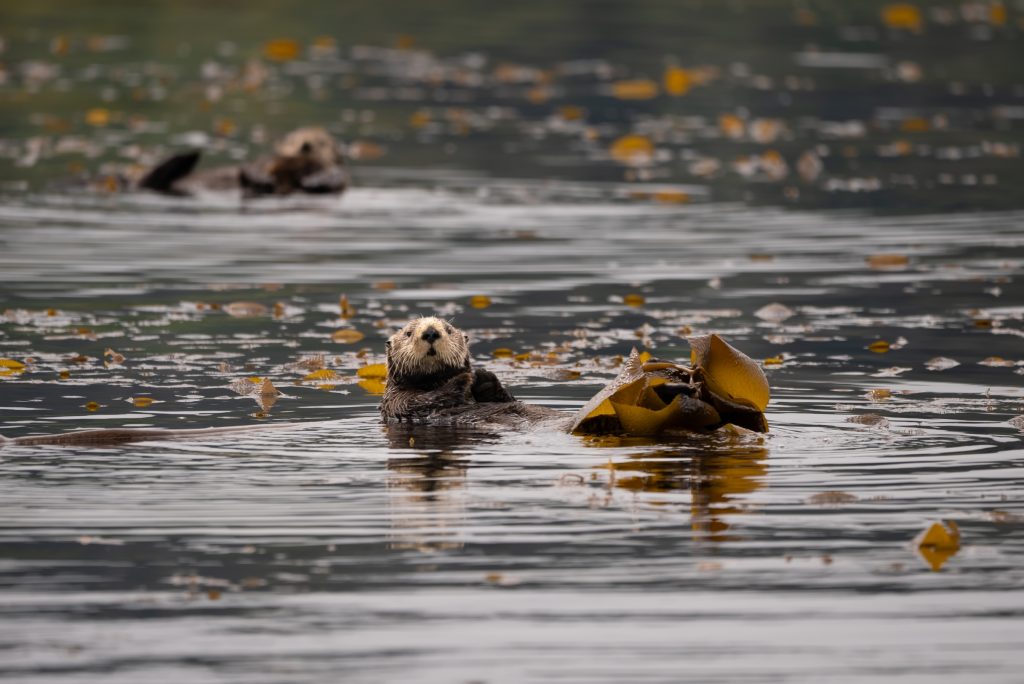
As a guest, we want to inspire you to become guardians of this incredible wildlife in the same way that our community members are, and luckily, there are several ways to do just that. Get started before you arrive by exploring initiatives and knowledge from local conservation and research. Join us in our Wild Pledge, putting stewardship and awareness at the heart of your adventures—lean into the principle of “Observe, but not disturb” when it comes to wildlife.
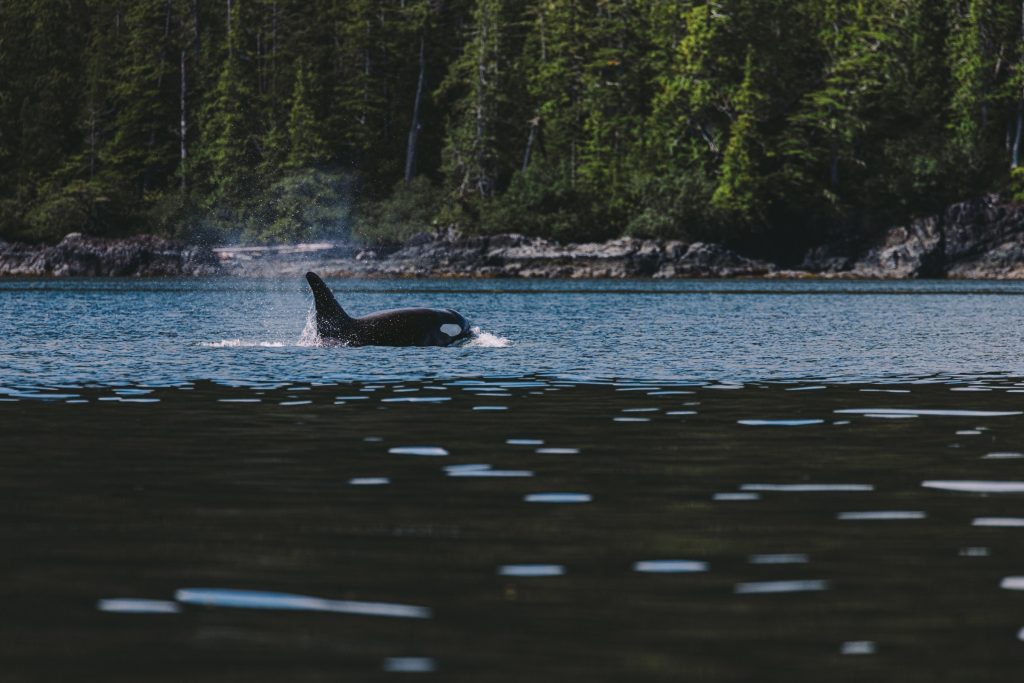
Remember that the wild ticks along to its own rhythms, and so sightings are not guaranteed. Be confident in your commitments by participating in land-based viewing activities or by joining a guided wilderness tour operator that’s a member of the North Island Marine Mammal Association (NIMMSA). Let’s share in the wonder found in quiet observation and protecting these magnificent places, together!
Arrive at Telegraph Cove on your first day in Vancouver Island North. The renowned Whale Interpretive Centre was heartbreakingly burnt down in 2025, but the community has rallied to reignite its heart (follow the journey here). The Centre is currently operating from a smaller, temporary home, while its full rebuild takes place. Support the Centre’s revitalization, local livelihoods, whale researchers, and marine mammals by stopping by to nerd out on whale knowledge, as well as information about the wider coastal ecosystem. Look for interpretive signage in collaboration with The Whale Trail on the boardwalk, too.
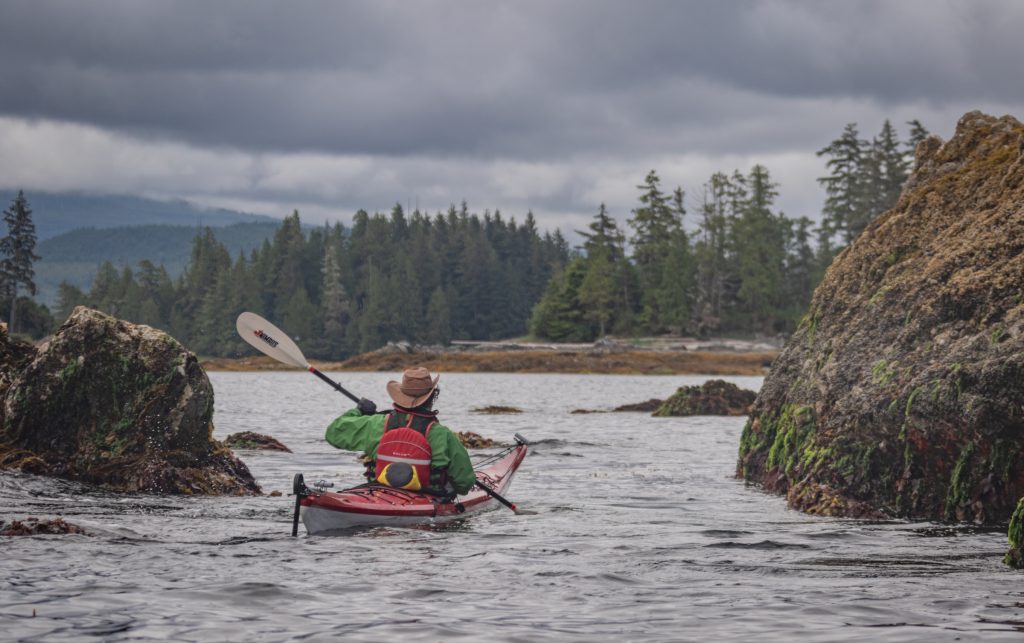
In the afternoon, join NIMMSA-certified North Island Kayak for a slower-paced tour by kayak that positions you much closer to the water for a deeply immersive, low-impact experience. They’ve been providing tours for over three decades, rooted in local knowledge and a commitment to preserving environmental stewardship in the Johnstone Strait.
Lean into connecting with nature by spending the night tucked in the Forest RV Campground at Telegraph Cove Resort or choose from one of Port McNeill’s locally-owned bed and breakfasts, nature retreats, or lodges.
On day two, embark on a responsible boat-based wildlife watching tour with a NIMMSA-certified operator, like Prince of Whales, or Coastal Rainforest Safaris (a 30 to 50-minute drive away in Port Hardy). Hear from on-board naturalists who know many humpback whales by name, thanks to unique markings, and will help identify the groups of orca that hunt swim and hunt together, too. Listen to stories of behaviour, feeding, culture, and sound in awe as you deepen your connection with the wildlife you might see on the coast. Take in the spectacular inlets, trees (always looking for eagles and bears) on rocky outcrops, open sky dotted with circling birds, and, of course, the water’s surface for movement.
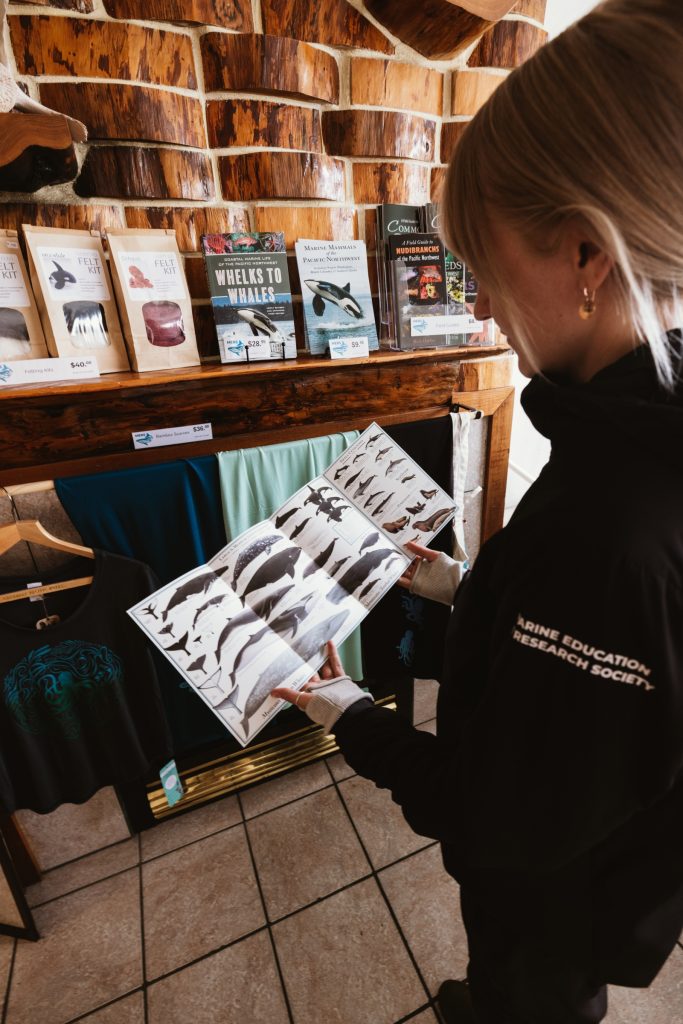
Spend another night in Port McNeill, stopping into independent stores like MERS’ Ocean Store for unique, ocean-themed souvenirs and in-person learning, and enjoy a dinner at Devils’ Bath Brewing.
Day three takes you to Sointula, known for both its history as a Finnish settlement and peaceful wildlife watching opportunities. Enjoy the slower pace of the Island, remembering to share roads and trails with our locals. Grab a coffee and a snack to go from Coho Joe’s before heading to Bere Point Regional Park. Take the Beautiful Bay Trail, pausing at the viewing platform in the hopes of spotting Orca, or set yourself up on the beach for some land-based marine mammal watching. Bere Point is a unique location for whale research, so we encourage you to spend your time here quietly (and wave to any resident scientists!).
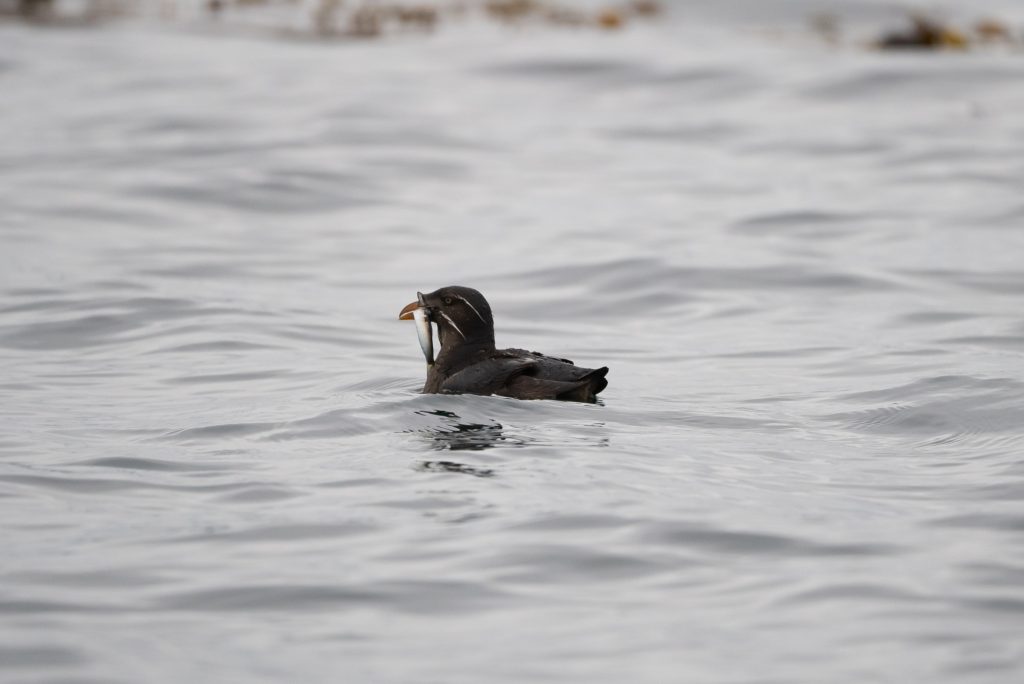
Sointula is also a hub for birdwatching and a destination on the BC Bird Trail. Settle yourself onto the public benches or a piece of driftwood and look for shorebirds and waterfowl, like Black Oystercatchers, Rhinoceros Aukley, or White-winged Scoters. Stay on trails to protect bird habitat and nesting areas, and give adult birds plenty of space—don’t forget the binoculars to appreciate them from afar, as well as sighting birds offshore!
Get the ferry back to Port McNeill to end the day—and why not look for wildlife en route?